Waqf (Amendment) Bill Cleared by Joint Parliamentary Committee
Lexpedia · 28 January 2025 · 5 min read
WHAT HAS HAPPENED?
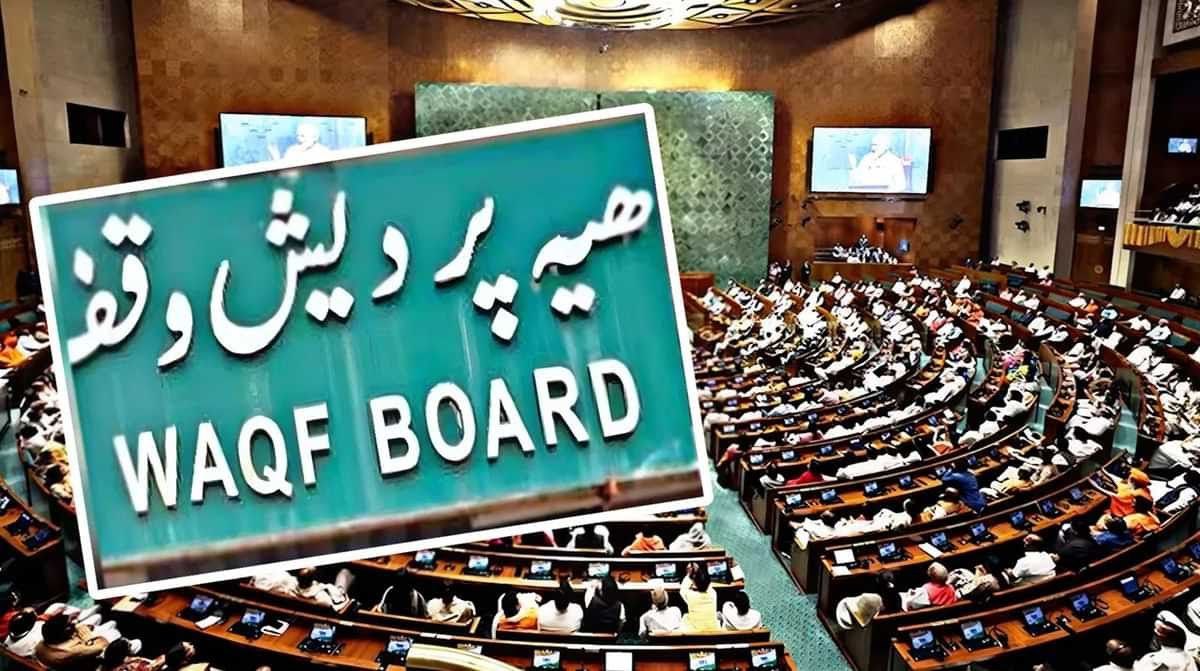
The Joint Parliamentary Committee scrutinizing the Waqf (Amendment) Bill cleared the bill on Monday, adopting all amendments proposed by the ruling BJP-led NDA members and rejecting every change moved by opposition members. The Waqf (Amendment) Bill, 2024, was referred to the joint committee of Parliament on August 8 following its introduction in the Lok Sabha by Union Minority Affairs Minister Kiren Rijiju. The bill aims to amend the Waqf Act of 1995, to address issues and challenges in regulating and managing Waqf properties.
WHAT IS WAQF?
- Waqf is the property given in the name of God for religious and charitable purposes. In legal terms, it is a permanent dedication by a person professing Islam, of any movable or immovable property for purposes recognized by Muslim law as pious, religious, or charitable. A waqf can be formed through a deed or instrument, or a property can be deemed waqf if it has been used for religious or charitable purposes for a long period of time.
- The proceeds from waqf properties are typically used to finance educational institutions, graveyards, mosques, and shelter homes. A person creating the waqf cannot take back the property, and the waqf would be a continuing entity. Interestingly, even a non-Muslim can create a waqf, but the individual must profess Islam, and the objective of creating the waqf must align with Islamic purposes.
WHAT IS THE WAQF ACT?
The Waqf Act, 1995 was enacted to regulate 'Auqaf', which refers to assets donated and notified as Waqf. The act also defines wakif – a person who dedicates property for any purpose recognized by Muslim law as pious, religious, or charitable. The Waqf Act was first enacted in 1995 to streamline the management of waqf properties.
WHAT IS A WAQF BOARD?
- A Waqf Board is a juristic person with the power to acquire and hold property and to transfer any such property. Each state has a Waqf Board headed by a chairperson, one or two nominees from the state government, Muslim legislators, parliamentarians, Muslim members of the state Bar Council, recognized scholars of Islamic theology, and mutawalis of waqfs with an annual income of ₹1 lakh or more.
- The Waqf Board has powers under the law to administer the property, recover lost waqf properties, and sanction any transfer of immovable property by way of sale, gift, mortgage, exchange, or lease. However, sanctions will not be given unless at least two-thirds of the Waqf Board members vote in favor of the transaction.
HOW MUCH LAND DOES WAQF BOARD CONTROL?
The Waqf Board controls and manages 9.4 lakh acres of land across 8.7 lakh properties, with an estimated value of ₹1.2 lakh crore. This makes the Waqf Board the third largest landowner in India, after Indian Railways and the armed forces.
WHY GOVT WANTS TO AMEND IT?
- The Bill to amend the Waqf Act, 1995, will make it mandatory for Waqf boards to register their properties with district collectors to ensure their actual valuation. Currently, most members of the Waqf boards are elected, but once the new Bill becomes law, all members will be nominated by the government.
- There is concern that this provision will allow those in power to have total control of the board. The Bill also allows non-Muslims to become the CEO of a Waqf Board, with a provision that at least two members should be non-Muslim.
WHAT ARE THE CHANGES PROPOSED BY JPC?
Among the 14 modifications approved by the JPC on the Waqf (Amendment) Bill 2024, several key changes were made:
- Non-Muslim Members: The change specifies that two non-Muslim members must be included in the Waqf Board, distinguishing them from ex-officio members, who may be either Muslim or non-Muslim.
- Property Determination Officer: The officer responsible for determining whether a property is waqf will now be chosen by the relevant state, instead of the District Collector, as per the initial draft.
- No Retrospective Effect: The law will not have a retrospective effect, provided the property under consideration is already registered. However, Imran Masood, a Congress leader and JPC member, raised concerns that 90% of waqf properties are not registered.
WHAT’S NEXT?
- The JPC has cleared the Waqf Amendment Bill, which seeks to make 44 changes to how Muslim charitable properties are managed in the country, with 14 alterations to the draft tabled in the Lok Sabha in August last year. Of the 66 proposed changes, 23 were by BJP MPs and 44 by opposition members, but the opposition proposals were rejected after committee members voted along party lines.
- The committee, led by BJP MP Jagadambika Pal, has faced criticism from the opposition for its biased approach. Opposition MPs accused the chair of “steamrolling” the Bill, citing unfair hearings and limited time to study the changes. Last week, opposition MPs wrote to Lok Sabha Speaker Om Birla, voicing their concerns.
- Following 10 opposition MPs’ suspensions, the voting to confirm the 14 changes will take place on January 29, and the final report is expected to be submitted by January 31. The committee's initial deadline was November 29, but it was extended to February 13, the final day of the Budget Session.