Supreme Court Rules Laundry Business, Including Dry Cleaning, Falls Under 'Manufacturing Process' under Factories Act
Lexpedia · 4 March 2025 · 3 min read
Court Reverses Bombay High Court’s Ruling, Holds Laundry Services Qualify as a ‘Factory’
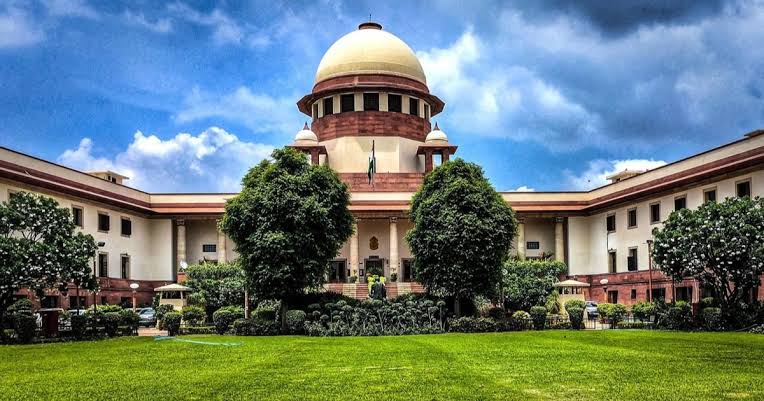
In a landmark judgment, the Supreme Court on Monday ruled that the laundry business, including cleaning, washing, and dry cleaning of clothes, constitutes a 'manufacturing process' and that any unit engaged in such activities qualifies as a 'factory' under the Factories Act, 1948. The Bench, comprising Justices BR Gavai and KV Viswanathan, observed that for an activity to be considered a manufacturing process, it is not necessary for a transformation to occur, nor for a new article to come into existence.
Key Points of the Judgment:
- Manufacturing Process Defined: The Court clarified that the term “manufacturing process” under Section 2(k) of the Factories Act includes washing or cleaning any article or substance, even if no transformation takes place or the product does not become commercially recognized as a different item.
- Court’s Critique of High Court’s Ruling: The Supreme Court overturned the Bombay High Court’s earlier judgment which had held that dry cleaning does not qualify as a manufacturing process. The High Court had argued that a transformation of the article into a new, commercially recognizable product is necessary for an activity to qualify as a manufacturing process.
- Laundry Business as a Factory: The Court ruled that the business of laundry, which involves washing, cleaning, and dry cleaning of clothes, squarely fits within the definition of a manufacturing process. Hence, the unit involved in such tasks qualifies as a factory under Section 2(m) of the Act, especially if the premises employ more than ten workers and use power.
Background of the Case:
The case stemmed from an inspection conducted in May 2019 at a laundry business run by Namita Tripathi under the name White Cloud, which provided professional laundry services. During the inspection, the authorities found several violations of the Factories Act, including the absence of factory-approved plans and failure to register the business as a factory.
The inspection report revealed that the business employed more than nine workers and engaged in washing and cleaning clothes, activities that the authorities deemed a manufacturing process under the Act. As a result, the authorities issued a notice in May 2019 demanding compliance within 15 days.
Respondent’s Argument and High Court Ruling:
In response, Namita Tripathi argued that laundry services, including dry cleaning, do not constitute a “manufacturing process” under the Factories Act. She contended that her business fell under the Shops and Establishments Act instead.
The Bombay High Court ruled in favor of the respondent, quashing the complaint and summons, stating that the laundry business did not qualify as a manufacturing process since there was no transformation of items into a new product that could be sold in the market.
Supreme Court’s Analysis and Conclusion:
The Supreme Court disagreed with the High Court’s reasoning, ruling that the activities performed by the respondent clearly fell within the scope of a manufacturing process under Section 2(k) of the Factories Act.
- The Court emphasized that social welfare legislation like the Factories Act should be interpreted broadly to ensure the protection of workers' rights. This approach, the Court stated, is aligned with the legislative intent behind such laws.
- The Court concluded that the laundry business, including cleaning and dry cleaning clothes, qualifies as a factory under the Act, as the business employs more than ten workers and uses power, and thus must comply with the requirements under the Factories Act.
Legal Implications and Future Proceedings:
By reversing the High Court’s judgment, the Supreme Court has restored the complaint filed against the respondent for violating the provisions of the Factories Act. The case will now proceed before the Judicial Magistrate First Class (JMFC) in Panaji, who will address the legal issues concerning compliance with the Factories Act.
Case Title: The State of Goa & Another vs. Namita Tripathi