US President Donald Trump Considers Reciprocal Tariffs Ahead of Meeting with Indian PM Modi
Lexpedia · 15 February 2025 · 3 min read
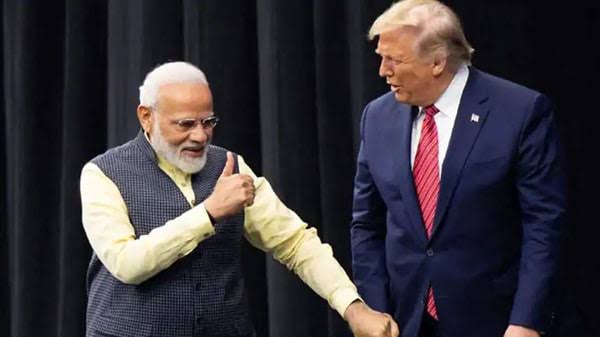
Washington D.C. – Just hours before a pivotal meeting with Indian Prime Minister Narendra Modi, US President Donald Trump has taken to social media with a cryptic post suggesting the imposition of reciprocal tariffs on imports from countries with higher tariffs on US goods. Trump’s move to announce these tariffs is part of his broader effort to address what he perceives as unfair trade practices by US allies, arguing that they often charge the US significantly higher tariffs than the US imposes on them.
What are Reciprocal Tariffs?
Reciprocal tariffs involve imposing equal tariffs on imports from countries based on the tariffs they apply to US products. For instance, if India imposes a 25% tariff on US electronics, the US would respond with the same 25% tariff on Indian electronics. This approach is intended to create a more balanced trading environment by holding trading partners accountable for the tariffs they levy on US goods.
Trump’s Trade Strategy and the Focus on Fairness
- Trump has long criticized the trade imbalances between the US and its key trading partners, arguing that many countries charge higher tariffs on American goods. Under this new proposal, the Trump Reciprocal Trade Act would give other countries two options: remove their tariffs on US imports or pay the US billions of dollars in tariffs, further increasing US government revenues.
- This policy could potentially restructure global trade relations, as tariffs could be tailored to specific countries and industries. The US president contends that this move would both level the playing field and provide additional revenue for the US Treasury.
Challenges in Implementing Reciprocal Tariffs
Despite the potential benefits, structuring reciprocal tariffs could prove highly complex. Every country has its own tariff rate on a variety of goods, and creating a comprehensive system to match tariffs for each product could be an arduous task. Trade experts have warned that this policy could lead to an influx of trade disputes and economic retaliation, potentially damaging US businesses and consumers who may face higher costs for imported goods.
US Tariff Policy Under Trump
Trump’s administration has already implemented several tariffs, including steel and aluminum tariffs, 10% tariffs on Chinese goods, and a 30-day hold on tariffs for Canada and Mexico. However, reciprocal tariffs would go further, aligning US tariffs with the higher duties imposed by other nations, addressing long-standing grievances regarding trade fairness.
Impact on the Modi-Trump Meeting
The timing of these tariff announcements places an additional focus on Trump’s upcoming talks with Prime Minister Modi. The two leaders are expected to discuss trade relations, with the potential for Modi to negotiate on behalf of India's exports to the US in an attempt to avoid or delay the implementation of reciprocal tariffs. Both nations are likely to explore a trade deal that addresses tariffs and other economic matters.
Potential Economic Ramifications
A reciprocal tariff policy could significantly impact the US economy. With the US importing $4.1 trillion worth of goods in the previous year, a tariff hike could have a wide-reaching effect on American consumers and businesses, who could face increased prices on imported goods. Moreover, this could provoke retaliatory tariffs from countries like China and the European Union, further escalating the global trade tensions.
Conclusion
While reciprocal tariffs could increase US revenues and rebalance trade relationships, the policy's complexity and potential for global economic disruption pose significant risks. As President Trump prepares to meet with PM Modi, the outcome of these discussions could determine whether such a policy will be implemented or modified to avoid economic fallout for US businesses and consumers.